Door Dings & Parking-Lot Dents
The shopping-cart special. Round, shallow dents from doors, carts, and stray baseballs are the bread and butter of PDR — most are gone in under an hour with zero trace.
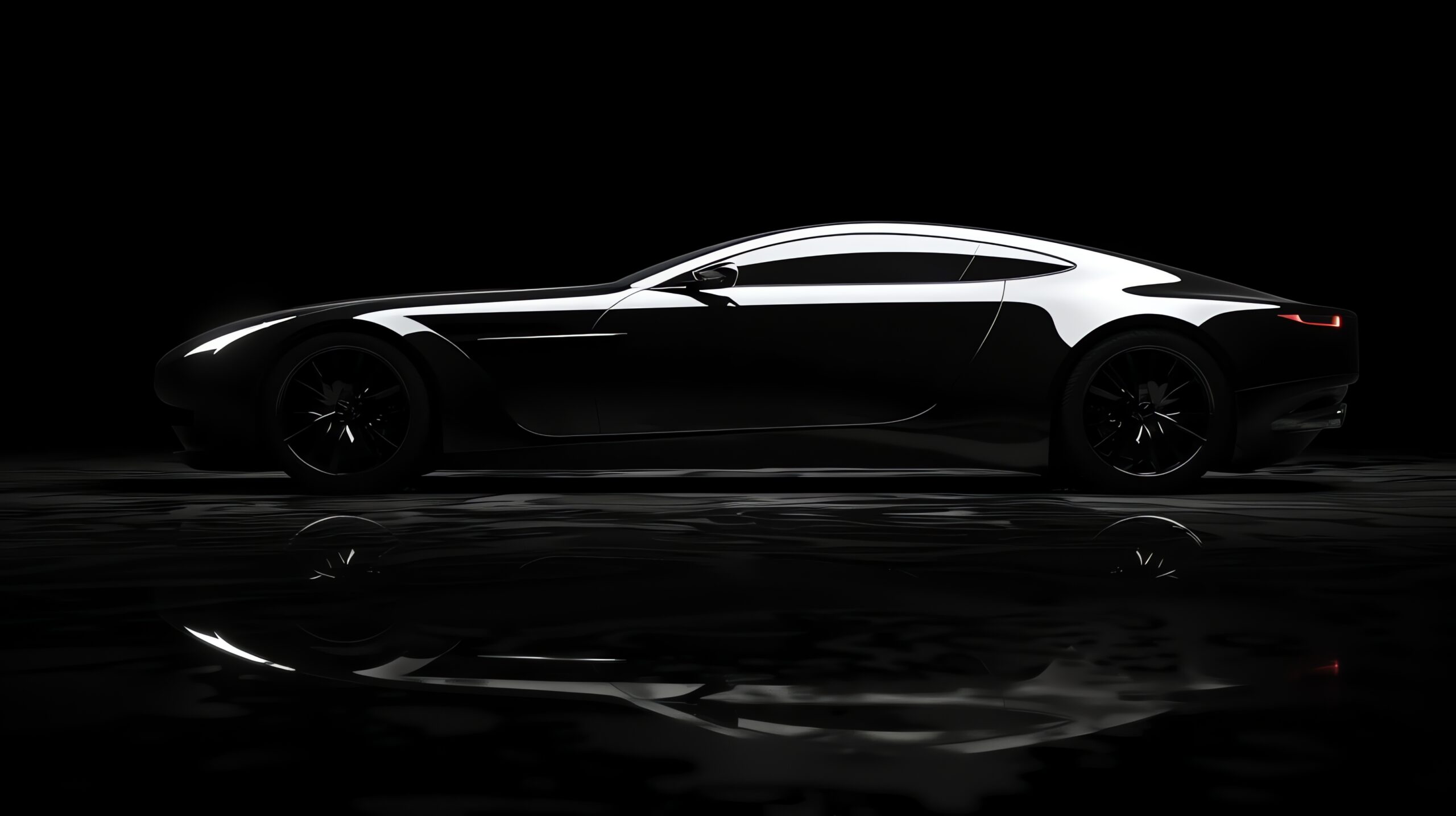
Paintless Dent Repair — Seabrook, Texas
Rocket Dent Co. removes door dings, creases, and hail damage by working the metal back to its original shape — no filler, no sanding, no respray. All repairs are done at our shop in Seabrook, serving drivers from across the Bay Area.
Start with the estimator: send the guided photos, get a real price range on the spot — and if the damage isn't a paintless job, it will tell you that honestly instead.

Your price in about a minute — before you talk to anyone. Love it? Book the appointment right here.
Six photos: five of the damage, plus your VIN sticker. They let the estimator judge size, depth, and paint accurately — and confirm the exact vehicle and paint code. That's what keeps the price honest. Study the examples first, then tap each row to add that shot. Please keep your license plate out of every photo — the VIN sticker is all we need.
Each example matches the numbered upload below. Match the framing, not the car. Shoot in daylight, wipe the panel clean first, tap the dent on your screen to focus, and use no filters.
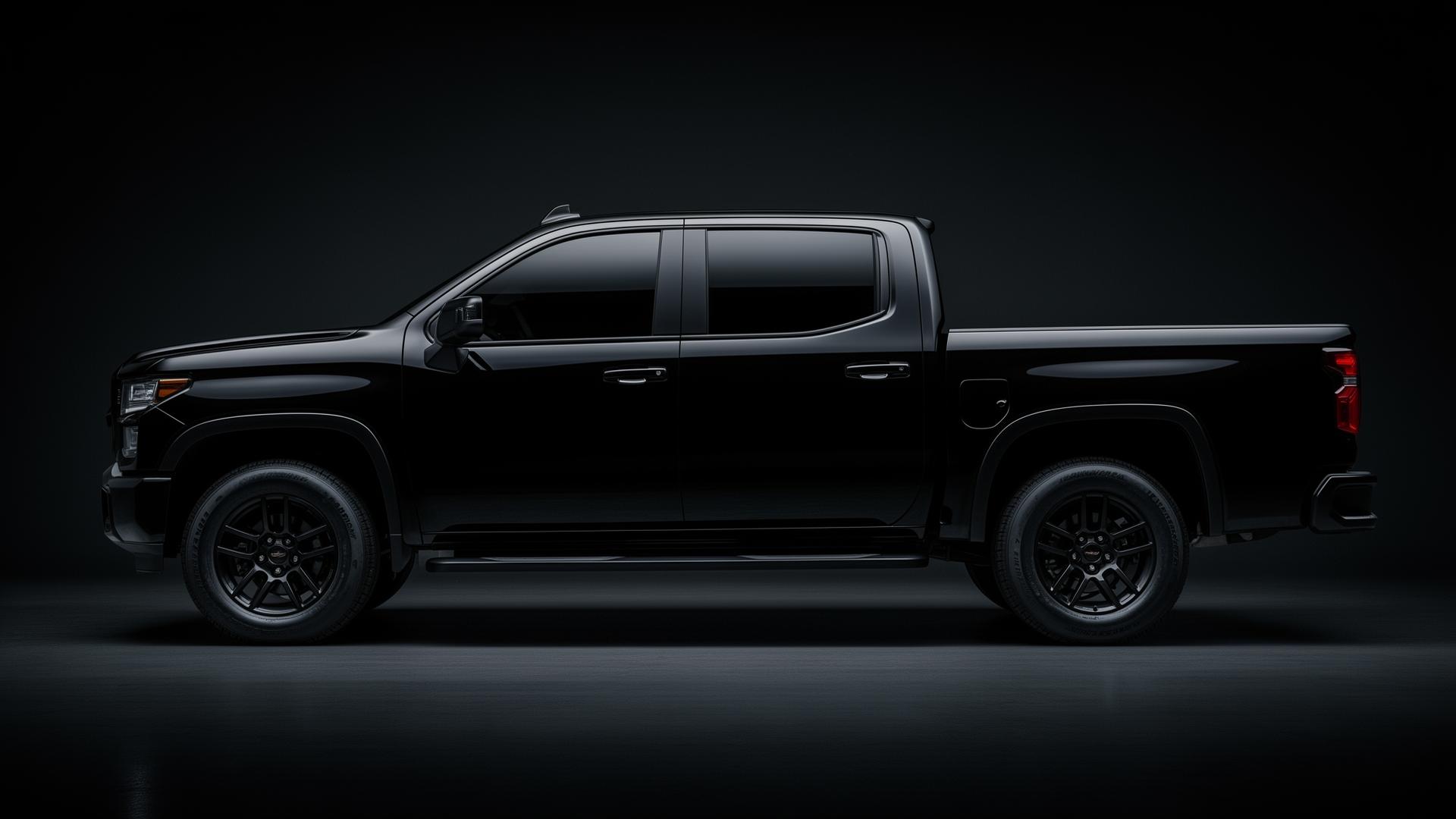
Do: Step back 6–8 feet so the entire door, hood, or fender — edge to edge — is in the shot, like this truck's full side. This shows where the dent sits on the panel. Don't crop the panel or shoot only the dent.
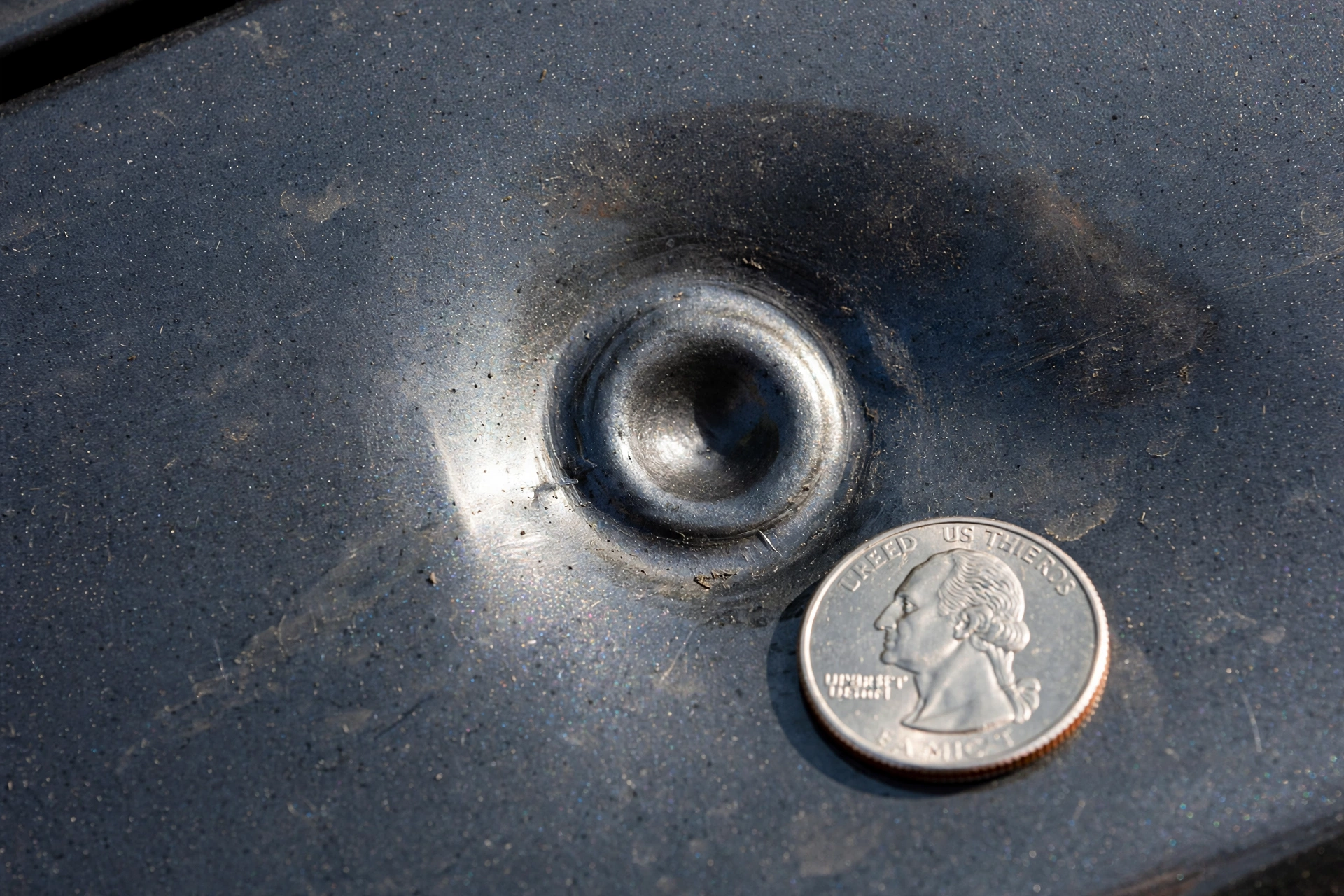
Do: Move in to 12–18 inches, dent centered and filling the frame, with a quarter flat against the panel right beside it, exactly like this. The coin is how true size is judged — without it, a 1″ ding and a 4″ dent look identical. This example also shows a deep, sharp-centered dent — send yours even if it looks worse than a door ding.
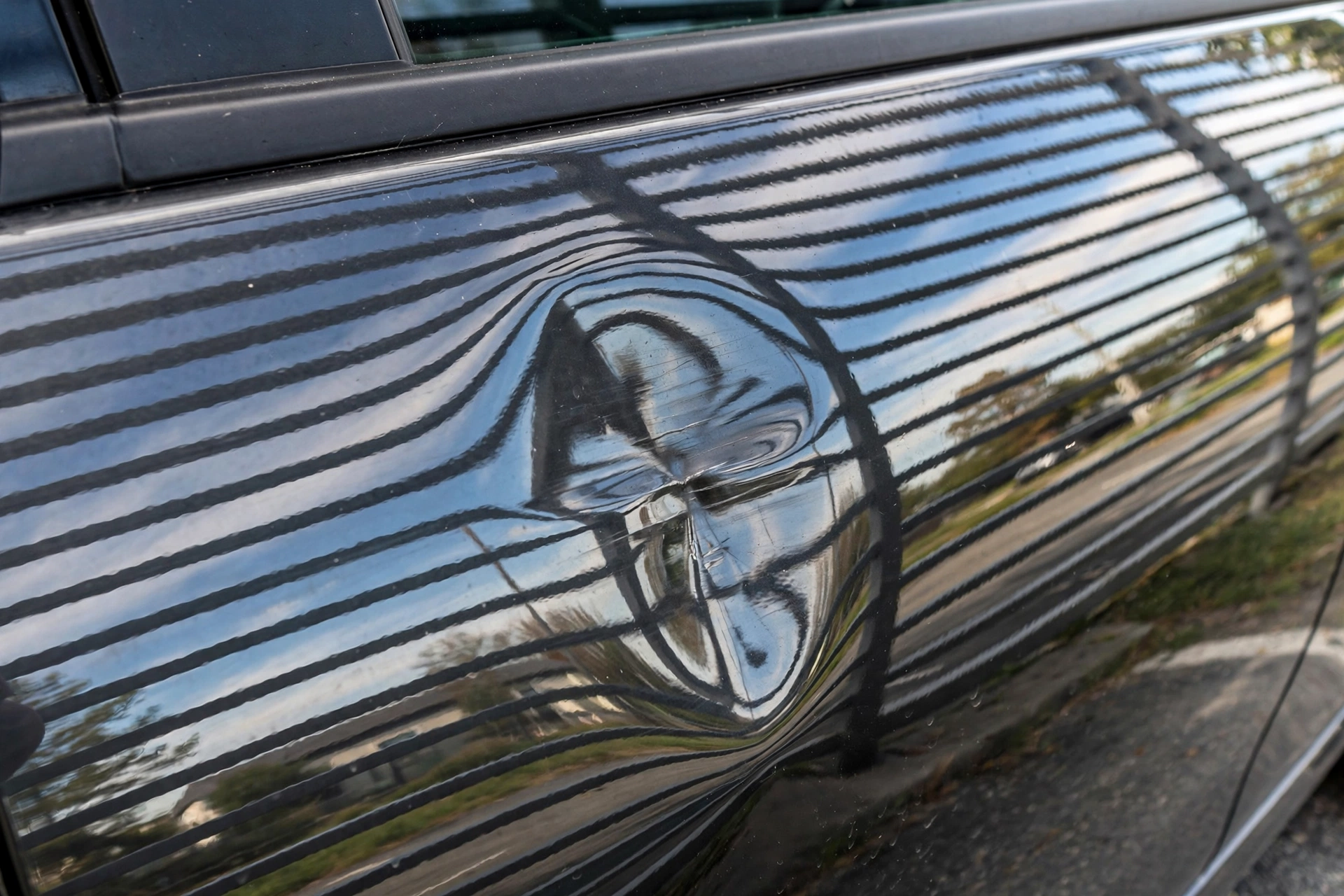
Do: Stand at about a 45° angle so light, a fence, or building lines reflect across the dent. See how the straight lines bend and swirl where they cross the damage here? That bend is the depth — it's the single most useful photo of the set. A straight-on shot hides this completely.
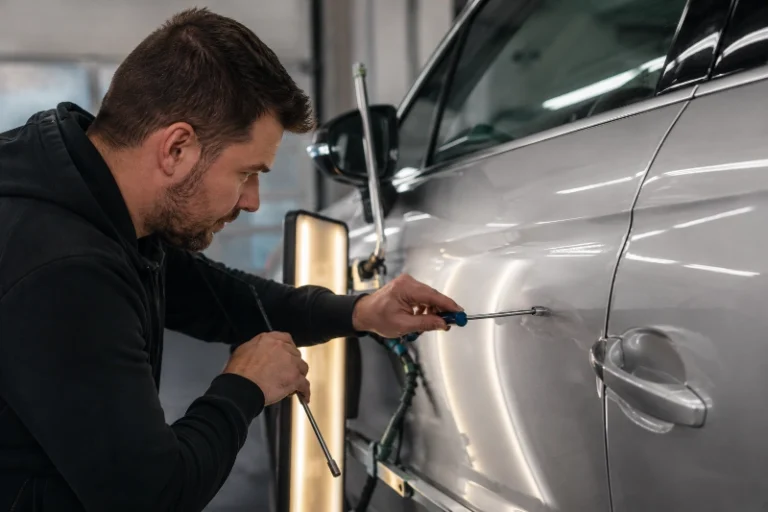
Do: Walk to the other side of the dent and repeat the angled shot looking back the opposite way. The pair confirms the dent's true shape and edges — a crease that runs further than it first looks will show up here.
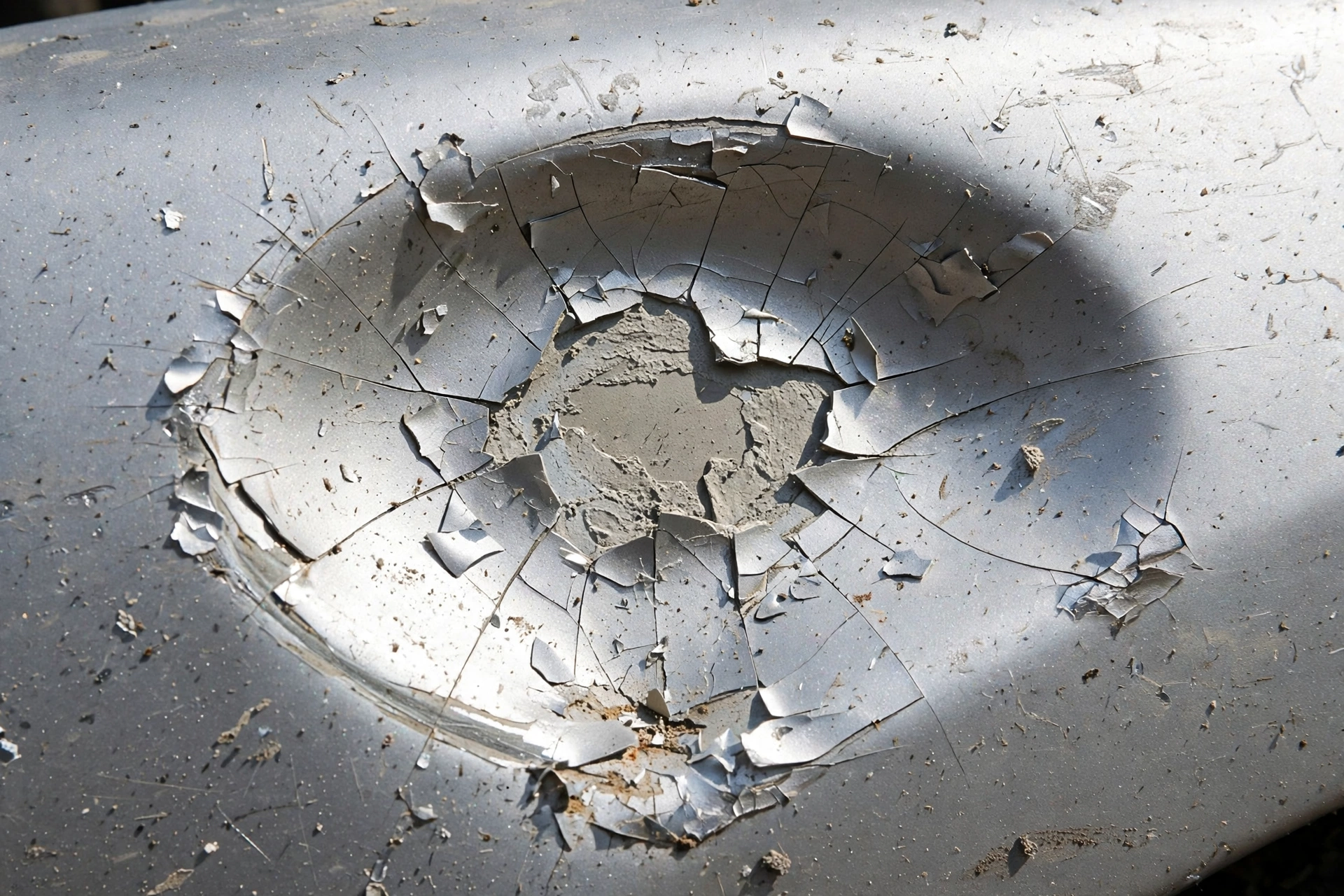
Do: Zoom right into the paint in the center of the dent. Intact paint looks smooth, like Example 2. If yours looks like this — cracked, flaking, or chipped through — it is not a PDR job and needs repainting. Send the photo anyway: we'd rather tell you honestly than quote a price that can't be real.
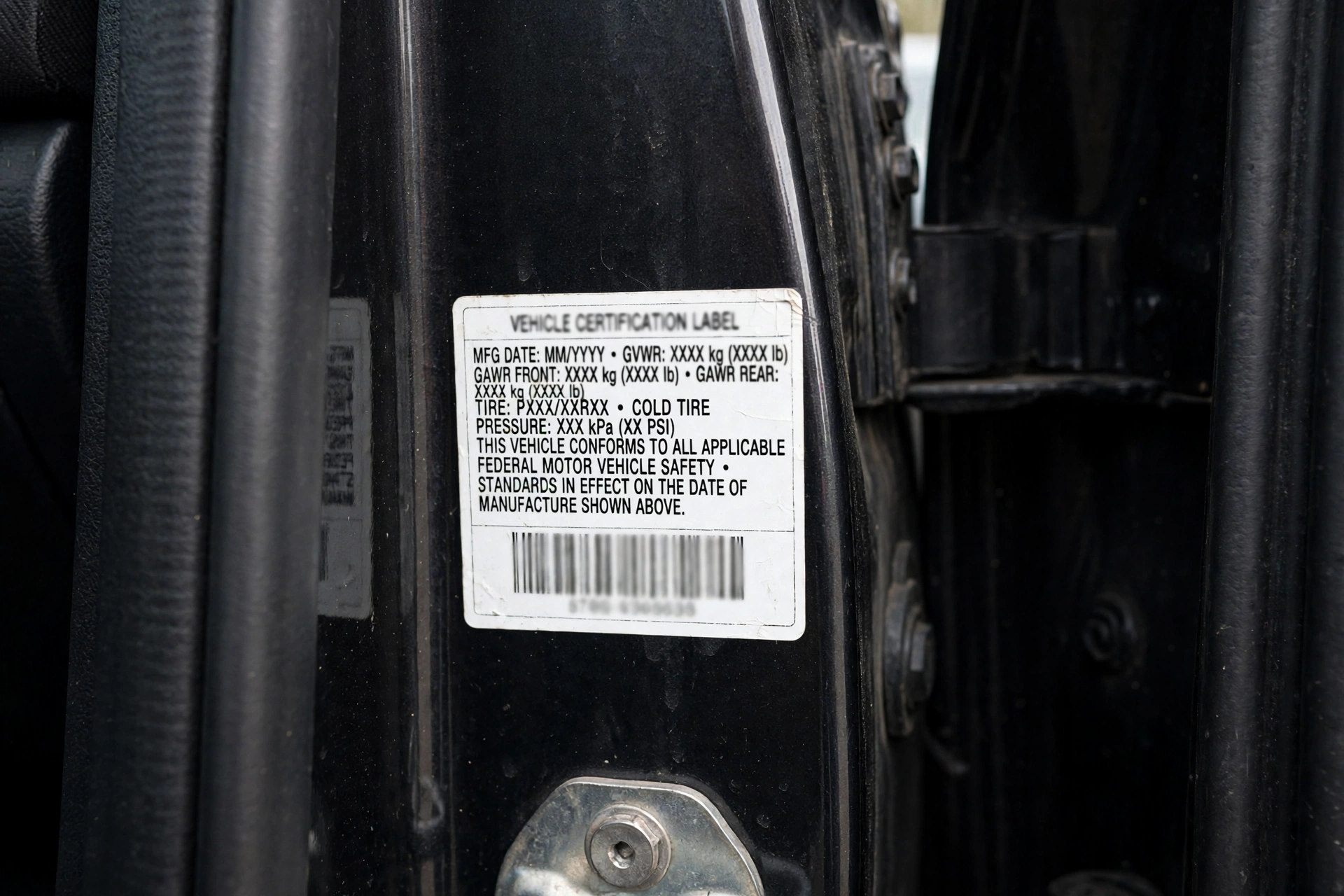
Do: Open the driver's door and find the white certification / VIN sticker on the door jamb (the pillar the door latches to), like this one. Shoot it straight-on, close enough to fill the frame, with every line readable — no angle, no glare, no flash washout. It confirms your year, make, model, and paint code so the estimate is for your car, not a guess.
Good-photo checklist: daylight or bright shade · panel wiped clean · dent tapped-to-focus and sharp, not blurry · one dent per set of photos · for the optional video, pan slowly across the dent for 5–10 seconds so the reflection moves — never shoot the video first and skip the stills. Keep your license plate out of every photo — the VIN sticker is all we need to identify the vehicle, and your plate number is never needed.
0 of 6 photos. All six gives the most accurate estimate — the first three damage shots plus the VIN sticker are the minimum to continue.
Confirm these details — they're what the estimate is calculated from.
Preliminary Starting Estimate
Preliminary Starting Estimate — final price confirmed by Adam prior to repair. Based on industry-standard retail PDR pricing. Typical time: 1–3 hours at our shop.
We'll email your estimate to you — and Adam will follow up within 48 hours if you'd like him to. Your photos are kept for 30 days so he can price it by hand if needed.
Paintless repair only works when the metal can be moved without disturbing the finish.
What it needs instead: conventional body-shop repair — the panel straightened, then primed and repainted. We won't quote you a paintless price for a job paintless can't finish.
The AI reads photos — Adam reads metal. If you think it might still be a paintless job, send the request anyway and Adam will look at the photos himself and call you. He'll never charge for a job paintless can't finish.
Your estimate: $275 – $500 — the range we'll confirm in person for this dent.
Adam will double-check this one himself. The AI judged it not a PDR job — send the request and Adam will look at your photos and call you with the honest answer.
Adam will contact you by phone, text, or email about this request.
Adam will review your photos and text/call you by end of day today to confirm your price and bay time.
Your request ID: —
Keep this number — it helps Adam find your request fast.
Your photos and estimate are saved with your request. If you don't hear from Adam within the time above, email [email protected] with your request ID.
What we fix
If the paint is intact, the metal usually remembers its shape. Our job is to persuade it back — slowly, precisely, and without touching the finish.
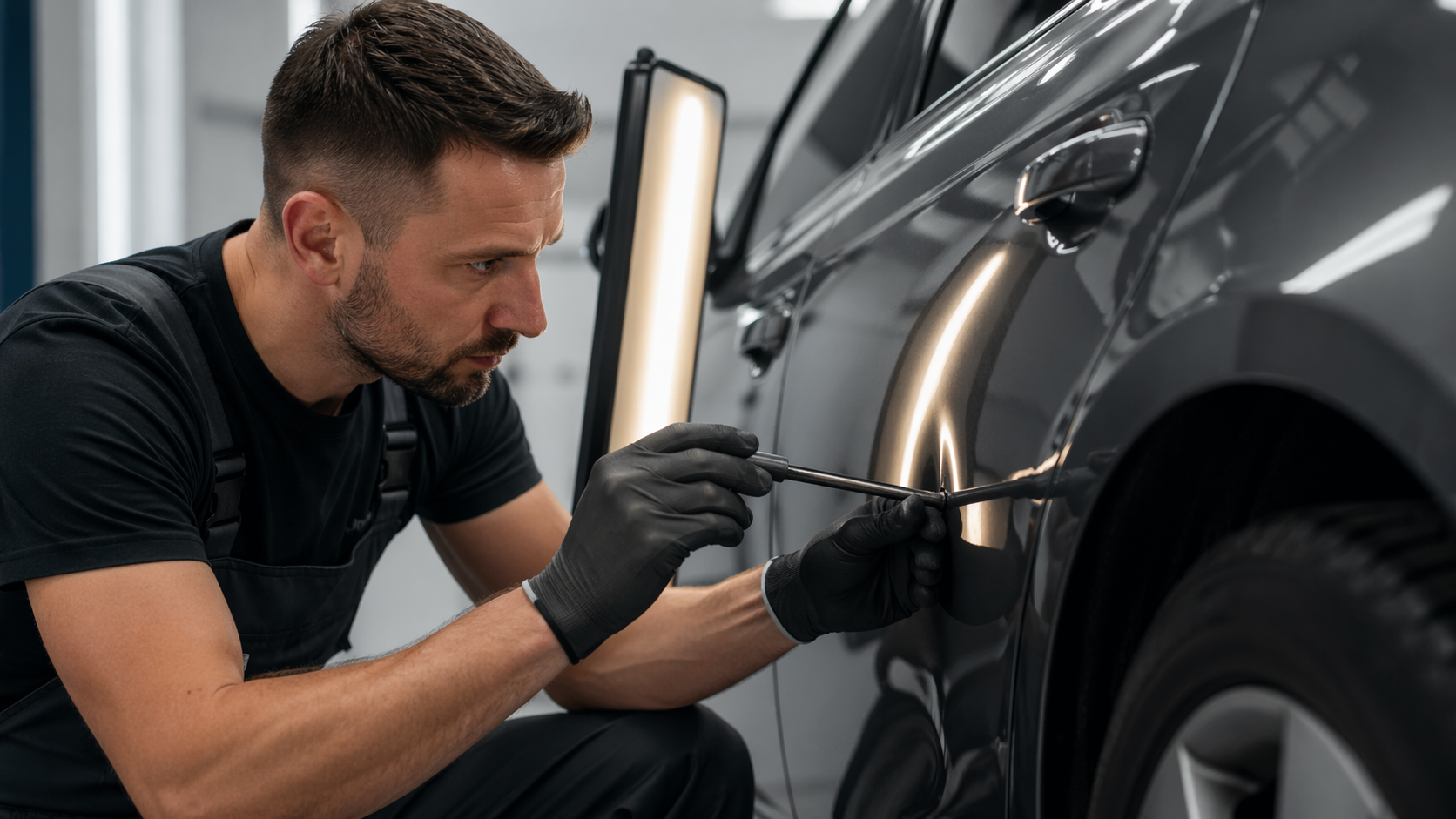
The shopping-cart special. Round, shallow dents from doors, carts, and stray baseballs are the bread and butter of PDR — most are gone in under an hour with zero trace.
Gulf Coast storms can pepper a hood, roof, and trunk in minutes. We count and map every hit, work panel by panel, and handle insurance documentation if you're filing a claim.
The hard ones — dents that cross a stamped body line or fold into a crease. They take patience and the right leverage, and they're where a background in paint & body earns its keep.
Bigger damage isn't automatically body-shop damage. If the paint isn't cracked and the metal isn't stretched past its limit, glue-pull and push techniques can still save the panel.
Dealerships charge hundreds per panel at lease turn-in. Fix the dings first, keep the difference. Also ideal before selling or trading in — a clean panel photographs like a newer car.
Aluminum has no memory and fights back harder than steel — it needs a lighter touch and more time. We repair aluminum hoods, doors, and Tesla panels with the right technique.
The craft
PDR is exactly what it sounds like when you say it plainly: a technician reads the dent under a striped light board, then makes hundreds of tiny, controlled pushes from behind the panel until the reflection runs straight again.
Drag the handle. Illustration of a door dent under repair light — the warped highlight on the left is how a dent actually shows up to a technician: as a reflection that won't run straight.
Under the light board, the reflection tells the truth: where the low spot sits, how deep it runs, whether the metal is stretched, and whether the paint can take the repair.
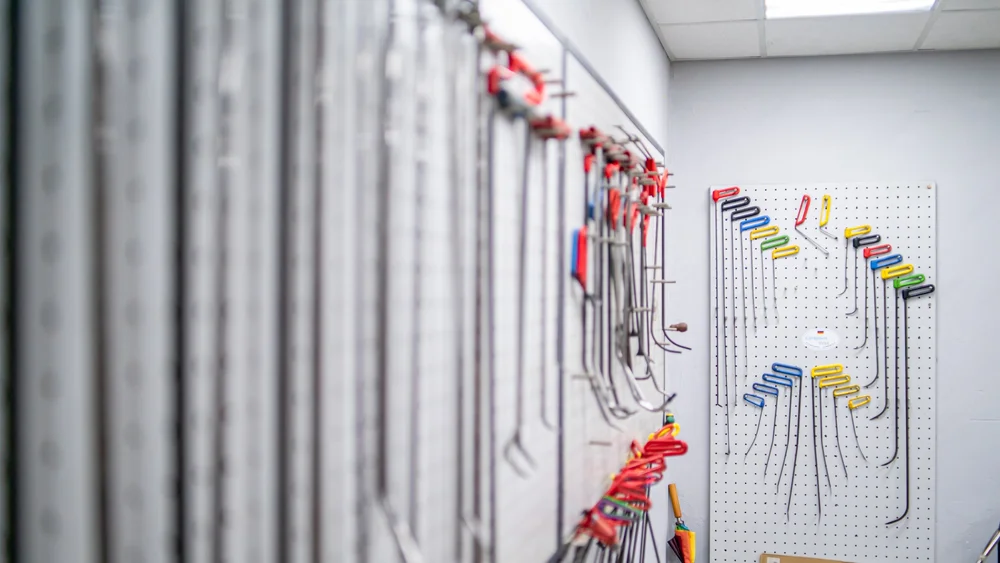
Steel rods reach behind the panel through factory access points. When there's no access, glue tabs pull from the outside instead. Either way — pressure in tiny increments, never one big push.
High spots get tapped down, lows get lifted, and the board moves around the panel until the lines run unbroken from every angle. That's the finish line: a reflection with no story to tell.
Some damage shouldn't be PDR'd — cracked paint, stretched metal, sharp folds at a panel edge. If yours is one of those, we'll say so up front and point you the right way.
Retail pricing
Our estimator prices from published industry-standard retail PDR ranges — the same bands reputable shops across the country charge from. No mystery, no phone-call-first games.
| Damage | Typical | Retail range |
|---|---|---|
| Standard door ding | Parking-lot tap | $197 – $250+ |
| Medium dent | 1″ – 4″ | $275 – $500+ |
| Crease / body-line dent | Across a stamped line | $225 – $600+ |
| Large / complex damage | Over 4″, stretched | From $500+ |
| Hail damage | Priced by the storm | From $1,500 |
Ranges are industry-standard retail for paintless repair with the paint intact. Hail is priced per vehicle after a panel-by-panel count. Every estimate is confirmed in person before work begins — the number we confirm is the number you pay.
The AI photo estimator at the top of this page works from these same retail bands, adjusted the way the industry adjusts them:
It also screens for the two things that disqualify a dent from paintless repair — cracked paint and a sharp, folded crease — and tells you straight when a job belongs at a conventional body shop instead of quoting you a price that can't be real.
Run the AI Photo Estimator ↑Why paintless
Conventional repair has its place — collision damage, cracked paint, bent structure. But for a dent with intact paint, it solves the problem by creating three new ones.
The work
A finished PDR panel doesn't look repaired — it looks like nothing ever happened. That's the whole point, and it's why the light board, not the camera, is the real judge.
Service area
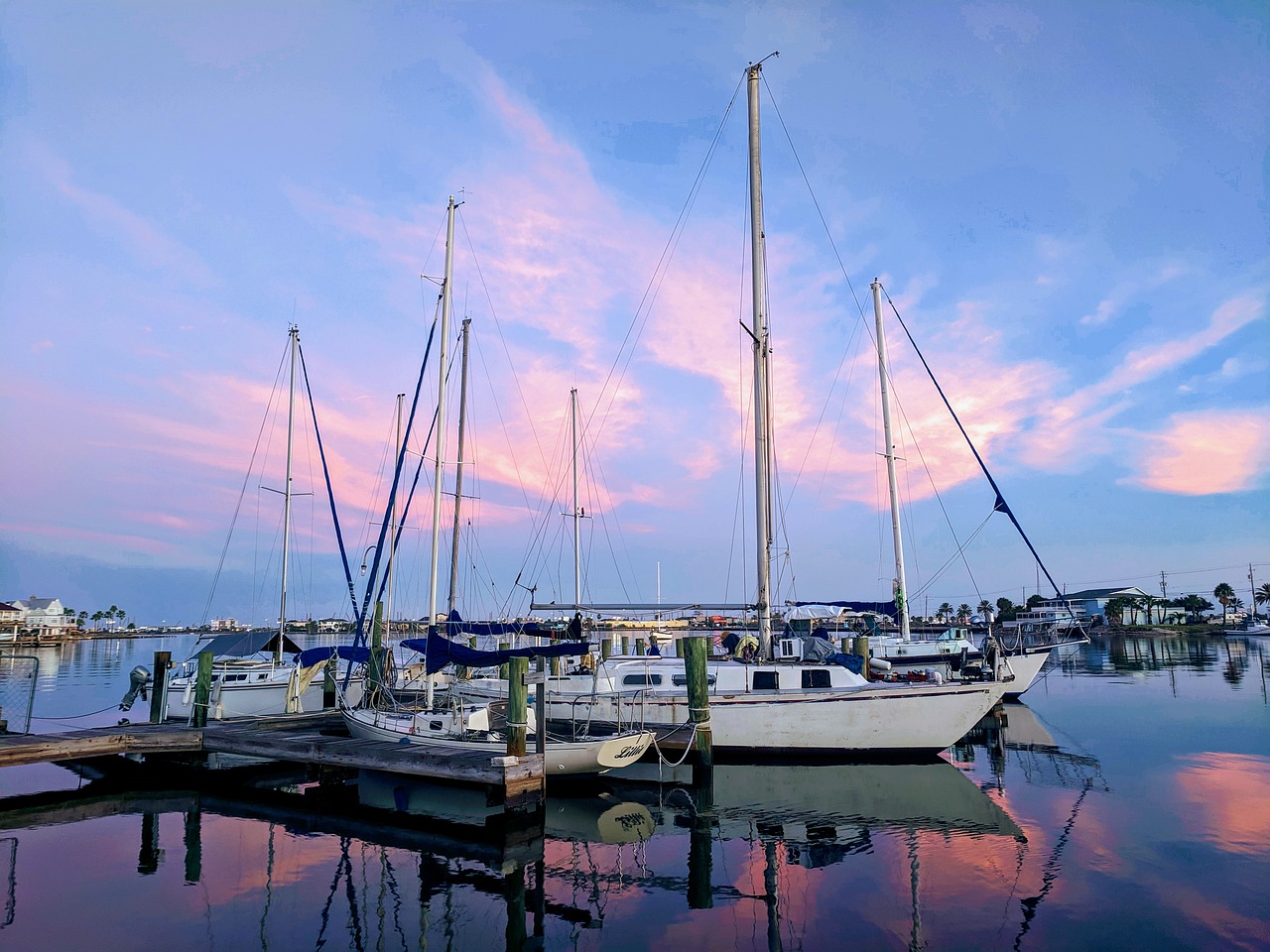
Rocket Dent Co. works out of our shop in Seabrook, Texas — a few minutes from NASA, the Kemah Boardwalk, and about ten thousand marina parking lots full of door dings. All repairs are done at the shop; drivers bring their cars to us from across the Bay Area:
Outside the list but nearby? You're still welcome at the shop — hail work and multi-car jobs are well worth the drive.
Run the AI estimator at the top of this page — six guided photos (five damage angles plus your VIN sticker), plus an optional panning video, gets you an instant price range.
One number, agreed up front. If the dent isn't a PDR candidate, you hear that instead — straight, and free.
Bring the car to our Seabrook shop at your appointment time. Most single dents take 1–3 hours.
We walk the panel with the light board before you pay. If the reflection isn't straight, the job isn't done.
Straight answers
Get started
Fill this in and it builds your quote request into one clean message — copy it into a text or email, and attach your photos there. Whole panel, close-up with a coin, 45° angle, opposite angle, paint close-up, and the VIN sticker from the driver door jamb. That's what we need to price it exactly.
Rocket Dent Co. LLC · Seabrook, Texas
Instagram — @rocketdentco
rocketdentco.com
Email — [email protected]
Attach your guided photos when you send it — that's what turns this into an exact price.